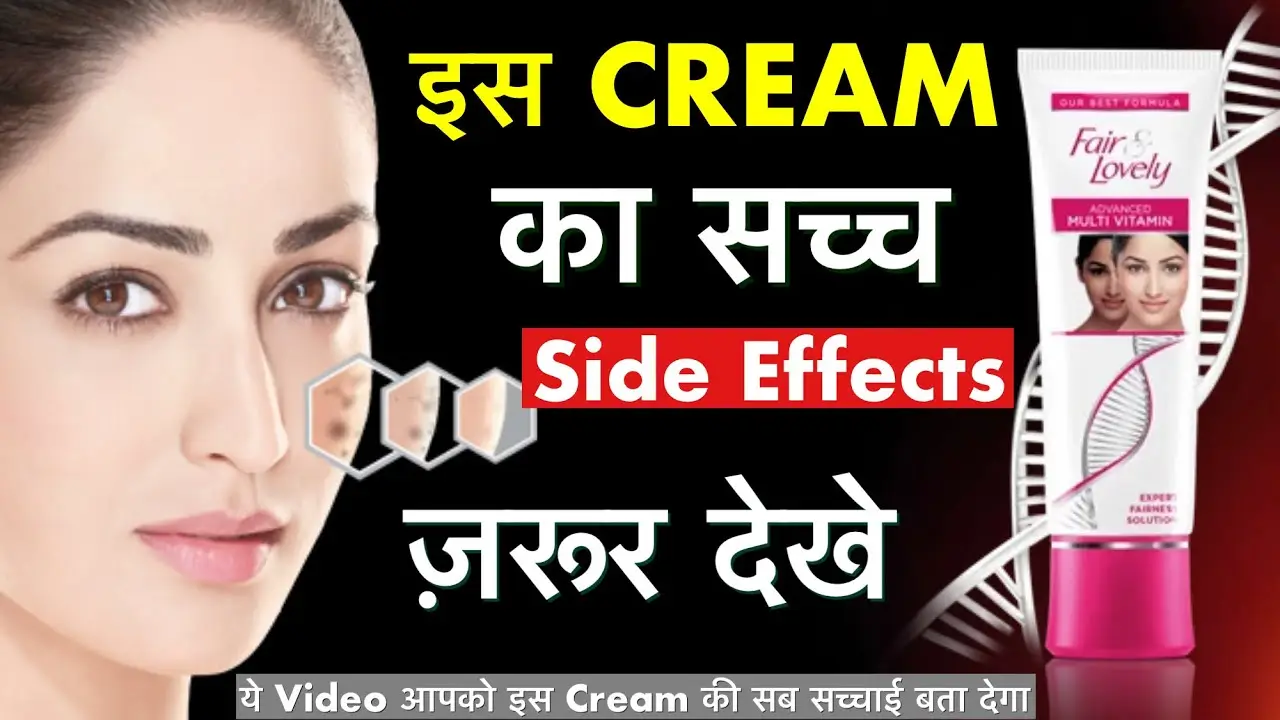
Understanding the Side Effects of Skin-Lightening Creams
Skin-lightening creams, a category that includes products like the well-known Fair & Lovely, have been widely used for decades across various cultures. While marketed to address hyperpigmentation and create a more even skin tone, their use for overall skin lightening has raised significant health and ethical concerns. It is crucial for consumers to understand that these products are potent cosmetics, often containing active ingredients that can lead to unintended and severe consequences beyond their intended purpose. This article provides a detailed, factual overview of the potential side effects linked to the prolonged or improper use of such creams, focusing on the scientific and dermatological perspectives to inform safe consumer choices.
Key Ingredients of Concern
The adverse effects of these creams are directly linked to their active components. Historically, many contained steroids like hydrocortisone or clobetasol, which suppress skin inflammation but cause long-term damage. The most common and potent ingredient is hydroquinone, a chemical that inhibits melanin production. However, its use is restricted or banned in many countries due to safety concerns. Other common agents include mercury, which is highly toxic and often found in unregulated products, and topical retinoids like tretinoin. When used without medical supervision, these substances disrupt the skin’s natural biological processes, leading to a cascade of detrimental effects rather than providing a healthy, radiant complexion.

Common Dermatological Side Effects
The most immediate and visible side effects are dermatological. Users often experience skin irritation, redness, itching, and a burning sensation upon application. Paradoxically, prolonged use can lead to a condition called exogenous ochronosis, particularly in darker skin tones, where the skin develops dark, blue-black, irreversible discoloration and thickening. Other common issues include skin thinning (atrophy), increased visibility of blood vessels (telangiectasia), and severe acneiform eruptions. The skin’s barrier function becomes compromised, making it more susceptible to bacterial and fungal infections. Ultimately, the quest for lighter skin can result in a complexion that is more uneven, damaged, and sensitive than before.

Systemic Health Risks and Mercury Poisoning
The dangers of skin-lightening creams are not confined to the skin. Harmful ingredients can be absorbed through the skin into the bloodstream, leading to systemic toxicity. This is especially true for mercury, which can damage the kidneys, nervous system, and digestive tract, and is particularly harmful to fetal development during pregnancy. Chronic use of steroid-laced creams can disrupt the body’s natural cortisol production, leading to adrenal insufficiency, Cushing’s syndrome, and elevated blood sugar levels. These systemic risks underscore the fact that topical applications are not merely superficial; they can have profound and life-altering impacts on overall health.

Psychological and Sociocultural Impact
Beyond the physical harm, the promotion of skin-lightening products carries a heavy psychological burden. Advertising that equates fair skin with success, beauty, and desirability can foster and reinforce internalized colorism, leading to low self-esteem, poor body image, and social anxiety among individuals with darker skin tones. The reliance on a cream to meet a societal standard can create a cycle of dependency and psychological distress, where natural skin is seen as something to be “corrected.” This perpetuates harmful stereotypes and diverts attention from celebrating diverse beauty, impacting mental well-being on a broad scale.

Regulatory Changes and Industry Shift
In response to growing public awareness and advocacy, significant regulatory and industry shifts have occurred. In 2020, the parent company of Fair & Lovely, Unilever, committed to removing the words “fair/fairness” from its branding, later rebranding the product as “Glow & Lovely.” This move reflects a broader industry trend toward promoting “radiance” or “even tone” over lightening. Furthermore, regulatory bodies like the FDA and the EU have strict limits or bans on hydroquinone and mercury in over-the-counter cosmetics. However, enforcement remains a challenge, and many illegal and dangerous products still circulate on the market.

Safer Alternatives and a Healthier Approach to Skin Care
For those seeking to address specific skin concerns like hyperpigmentation or dark spots, safer, medically supervised alternatives exist. Dermatologists recommend using broad-spectrum sunscreen daily, which is the most effective method for preventing further darkening. Topical products containing ingredients like vitamin C, kojic acid, azelaic acid, licorice extract, and niacinamide are well-researched and considered safer for managing pigmentation. The healthiest approach to skincare is to focus on overall skin health—maintaining hydration, practicing sun protection, and following a consistent routine tailored to one’s skin type—rather than pursuing an altered skin tone through potentially hazardous means.